
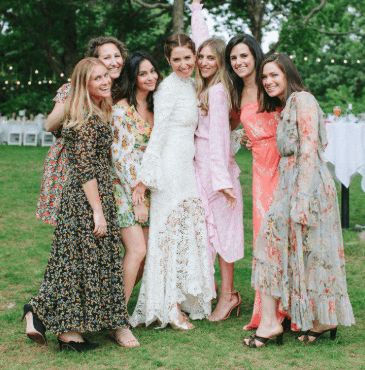

Fashion etiquette for special occasions requires decoding the invitation, translating policy into a poised outfit, and aligning with venue, season, and culture. It favors silhouettes that read formal without sacrificing ease, layered fabrics for weather, and restrained accessories to avoid distraction. Color, texture, and a measured approach set the tone while allowing personal style to surface within tradition. A practical plan for quick fixes keeps confidence intact, but the implications of a misstep linger—and the next cue is just ahead.
Decode the Dress Code: What Your Invitation Really Means
Decoding the dress code starts with a practical read of the invitation. The text reveals expectations, from formality to hidden cues. Dress code pros interpret cues, align comfort with occasion, and prevent missteps. Strong invitation language clarifies requirements; readers should note verbs, adjectives, and examples. A focused approach translates policy into suitable attire, ensuring respectful, stylish participation without over- or under-dressing.
Dress for the Venue and Season Without Losing Your Style
Having decoded invitation cues, readers can now tailor attire to the venue and season without sacrificing personal style.
In this guidance, dress code decisions align with practicality: adapt silhouettes to formality while remaining comfortable, and shift seasonal styling through layers or lightweight fabrics.
The result respects venue constraints, empowers choice, and preserves individuality amid occasion-specific expectations.
Color, Fabrics, and Accessories That Respect the Occasion
Color, fabrics, and accessories should reinforce the event’s tone while preserving the wearer’s comfort and taste.
Careful color choices reflect color psychology, guiding mood and formality without dominance.
Fabric textures should balance silhouette and movement, ensuring practicality and refinement.
Accessories are restrained yet purposeful, enhancing cohesion.
The ensemble communicates intent, confidence, and respect for tradition while inviting personal freedom in expression.
Quick Fixes and Common Etiquette Mistakes to Avoid
In the realm of special occasions, even well-considered ensembles benefit from practical safeguards against common missteps. Quick fixes and common etiquette mistakes to avoid focus on adaptable, discreet corrections, emphasizing intent over impulse. Unintended dress code risks are minimized by rehearsed checks, while guest seating etiquette maintains balance, respect, and visibility. Preparedness, subtlety, and timely adjustments uphold refined, liberating style without distraction.
See also: newsspout
Frequently Asked Questions
Is There a Dress Code for Children at These Events?
A dress code for kids varies by event, but generally expect comfortable, neat children’s attire aligned with formality. Some occasions specify explicit guidance; others permit tasteful flexibility. Inquire early, balance practicality with elegance, and respect host expectations for children’s attire.
How Strict Is Business Formal Versus Cocktail for a Wedding?
The boundary between business formal and cocktail is nuanced, with formal signaling stricter expectations and cocktail offering relaxed charm. Formal vs casual etiquette hinges on fabric choice implications, color, and fit, guiding guests toward respectful but liberating attire.
Can I Wear Bold Patterns if the Invitation Is Conservative?
Yes, but慎—the wearer should balance bold patterns with subtle tailoring. In cases of a conservative invitation, opt for restrained tones and a single statement piece; otherwise, the outfit risks overpowering the event’s tone.
Are Crowdfunding or Gift Registries Relevant to Dress Expectations?
Crowdfunding etiquette and gift registry relevance have limited impact on dress expectations; practical guests primarily follow event norms. Anachronistically, a steel typewriter clatters as guidance clarifies: generosity informs attire, not mandatory funding channels or registries.
Should I Match or Complement the Couple’s Outfit Color Palette?
He should aim to complement the couple’s color palette, not imitate it, favoring a neutral color palette and subtle accessories to maintain balance while preserving personal freedom and style.
Conclusion
A concise close for this guide emphasizes that true fashion etiquette is a disciplined balance of interpretation and restraint. By decoding the invitation, aligning with venue and season, and selecting timeless silhouettes, one communicates respect without sacrificing personal taste. Layer thoughtfully, opt for subdued color and texture, and accessorize with intention. Maintain a quick-fix mindset for minor hiccups. In moments of doubt, trust the script of the event—unless, of course, a steam-powered, holographic dress code demands bold originality.
